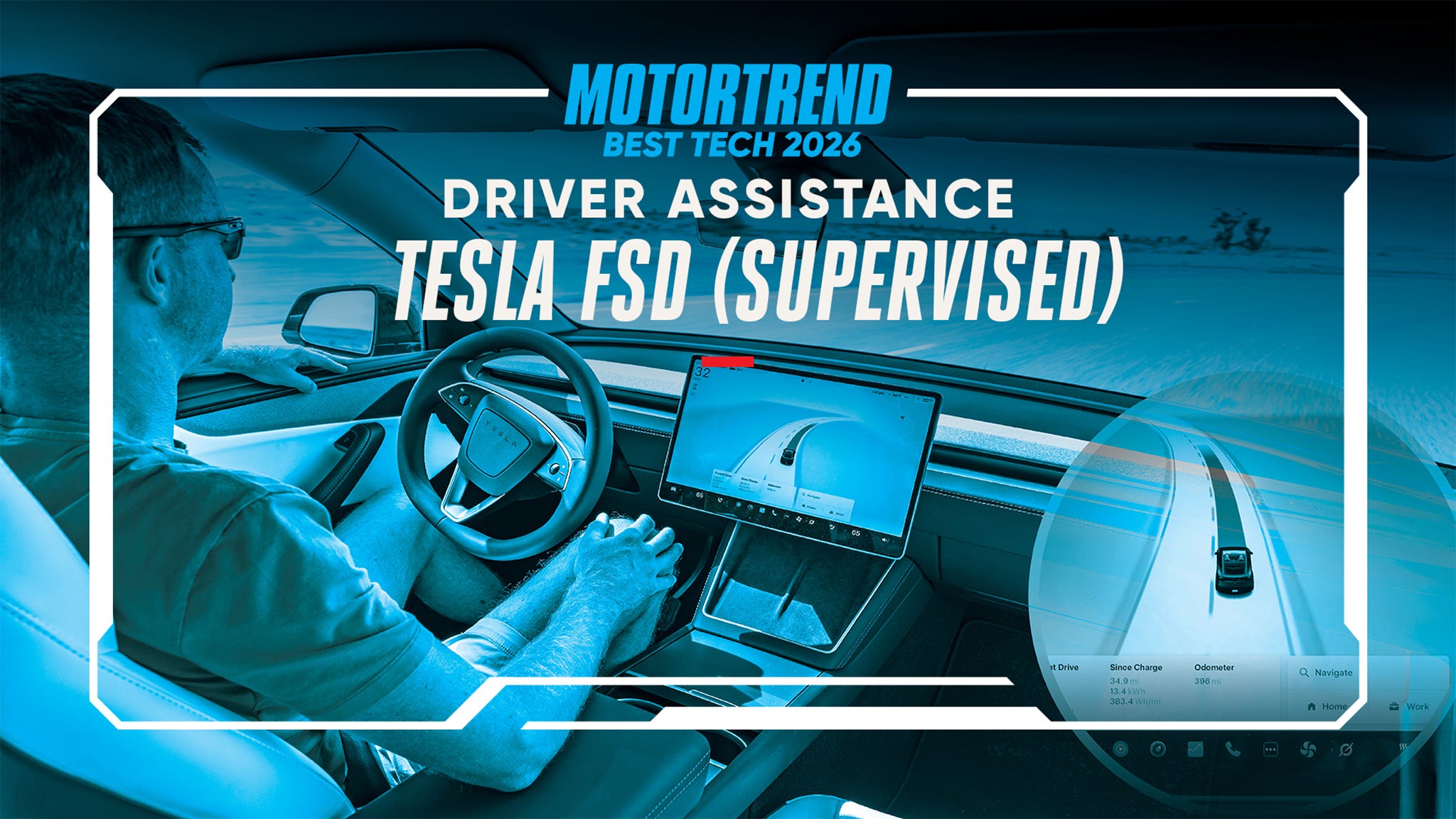
Tesla FSD Hardware: Specialized AI Processors for Peak Performance
The ambitious promise of full self-driving (FSD) has captivated the automotive world, with Tesla leading the charge. But beneath the sleek exteriors and sophisticated software lies the true engine of this revolution: highly specialized AI processors. These custom-designed chips are not merely incremental upgrades; they represent a fundamental paradigm shift in how autonomous vehicles perceive, process, and react to the world around them. Understanding the intricate hardware at the core of Tesla's FSD system is key to appreciating the profound value and transformative potential of
tesla autonomous driving worth. This deep dive will explore the architectural marvels enabling peak performance and assess what makes Tesla's approach truly stand out.
The Evolution from General-Purpose to Specialized Silicon
For years, many industries relied on general-purpose Graphics Processing Units (GPUs) to handle the intense computational demands of artificial intelligence. GPUs, with their massive parallel processing capabilities, were a significant leap forward from traditional Central Processing Units (CPUs) for tasks like neural network training. However, the unique and extremely demanding requirements of real-time autonomous driving inference pushed the boundaries of what even high-end GPUs could efficiently deliver.
Why GPUs Fall Short for Pure NN Inference
While excellent for training neural networks, GPUs are designed to be versatile. They need to handle a wide range of graphical computations and parallel tasks, which introduces overhead. For the specific, repetitive calculations required for neural network *inference* – where a trained model processes new data – this versatility becomes a bottleneck. Autonomous driving demands ultra-low latency, incredibly high throughput, and exceptional power efficiency, especially in a vehicle where power is a finite resource. A general-purpose GPU, even a powerful one, consumes more power per operation (flop) and introduces more latency than a chip designed from the ground up for exactly these tasks. The cost of licensing GPU technology can also be significant, adding another layer of complexity.
The Rise of Custom ASIC and Tensor Processors
Recognizing these limitations, Tesla embarked on a bold strategy: designing its own custom Application-Specific Integrated Circuit (ASIC). This custom silicon is not a scaled-up GPU; it's a completely different beast, primarily a Tensor Processing Unit (TPU) design. Much like Google and other tech giants have developed custom silicon for their AI workloads, Tesla engineered its FSD chip to be hyper-optimized for neural network computations. These specialized cores, often called tensor processors, excel at the matrix multiplications and additions that form the backbone of deep learning algorithms. By focusing solely on these specific-purpose compute cores, Tesla's hardware achieves an order of magnitude increase in efficiency, both in terms of computational speed and power consumption, making the overall
tesla autonomous driving worth proposition far more compelling. For a deeper look into this shift, you might find
Tesla FSD Hardware: The Edge of Custom Silicon Over GPUs particularly insightful.
Unpacking Tesla's Hardware: Performance and Efficiency Redefined
Tesla's FSD hardware iterations, specifically Hardware 3.0 and the subsequent advancements, represent a monumental engineering achievement. These chips are the brains that process vast amounts of data from cameras, radar, and ultrasonic sensors in real-time, making decisions that are critical for safety and performance.
Power Efficiency and Computational Density
One of the most striking advantages of Tesla's custom silicon is its unparalleled power efficiency. The next-generation hardware consistently consumes less power per flop than its predecessors. This isn't just about saving battery life; it's about enabling higher computational density without generating excessive heat, which is crucial in a compact automotive environment. By utilizing specific-purpose tensor processors, the system can perform billions of operations per second with remarkable energy efficiency, a critical factor for sustained, reliable autonomous operation. This ensures that the vehicle can continuously analyze its surroundings without overheating or draining the battery prematurely, thereby enhancing the practical
tesla autonomous driving worth.
Memory Management and Neural Network Capacity
A common misconception is that vastly more compute horsepower necessarily means a corresponding increase in memory size. However, the reality with tensor processors is more nuanced. The memory size primarily needs to be large enough to hold the neural network itself. While the compute module may have drastically more processing power, the memory footprint for the neural network might not need to expand proportionally, or could even remain the *same* size as previous designs. This efficient memory management ensures that the system can load and execute complex neural networks without being limited by memory bandwidth or capacity, facilitating more sophisticated AI models on the fly. To understand the intricacies of these chips, delve into
Unpacking Tesla's Next-Gen Autonomous Driving Custom Chip.
The Mastermind Behind the Design: Jim Keller's Legacy
The architectural brilliance behind Tesla's FSD chip owes much to the expertise of industry veteran Jim Keller. Known for his work on high-performance processors at companies like Apple and AMD, Keller's involvement underscored Tesla's commitment to designing a chip "from scratch" rather than repurposing existing designs. This bespoke approach allowed for the creation of an ASIC that could incorporate multiple architectures on the same die, including memory types like SRAM, and potentially even licensed CPU cores for general tasks. However, it's the Neural Network (NN) processing unit – the TPU design – that does the heavy lifting, providing the real horsepower and representing the most significant cost and innovation. This dedicated design ensures there are likely *no* GPU licensing fees, contributing to the overall cost-effectiveness and performance superiority.
The Tangible Worth: What Tesla's FSD Hardware Delivers
The investment in custom AI processors isn't merely a technical flex; it translates directly into tangible benefits that define the
tesla autonomous driving worth. This specialized hardware is the bedrock upon which Tesla builds its vision of a fully autonomous future.
Enhanced Safety and Reliability
At the forefront of autonomous driving is safety. The ability of Tesla's FSD hardware to process vast quantities of sensor data with ultra-low latency allows the vehicle to make faster, more informed decisions. This real-time processing capability is crucial for reacting to dynamic road conditions, identifying potential hazards, and navigating complex scenarios safely. The sheer computational power ensures redundancy and robustness in decision-making, significantly enhancing the reliability of the system compared to less optimized platforms. The precision and speed of these specialized chips are paramount in preventing accidents and ensuring a smoother, more secure driving experience.
Future-Proofing and Over-the-Air Updates
One of the often-underestimated aspects of robust hardware is its ability to *future-proof* a system. By designing a chip with massive overhead in terms of computational capacity and efficiency, Tesla ensures that its vehicles are ready for increasingly complex software updates and more advanced neural network models. As FSD software evolves and new features are introduced via over-the-air (OTA) updates, the underlying hardware can gracefully handle the increased demands without becoming a bottleneck. This longevity and adaptability mean that owners are investing in a system that will continue to improve and gain capabilities over time, adding immense long-term
tesla autonomous driving worth to their vehicle.
The Economic and Societal Value of Autonomous Driving
Beyond the immediate driving experience, the capabilities unlocked by Tesla's FSD hardware extend to broader economic and societal benefits. Reduced accidents through enhanced safety lead to lower insurance costs and fewer fatalities. Increased efficiency in driving can lead to fuel savings and reduced traffic congestion. For businesses, autonomous driving promises new models for ride-sharing, logistics, and transportation. The specialized AI processors are fundamental to realizing these grander visions, transforming not just how we drive, but how we interact with transportation itself, thus cementing the significant
tesla autonomous driving worth on a global scale.
Conclusion
Tesla's commitment to specialized AI processors for its Full Self-Driving system is a testament to its forward-thinking approach to autonomous technology. By moving beyond general-purpose GPUs to custom-designed tensor processing units, the company has unlocked unprecedented levels of computational efficiency, power performance, and real-time processing capabilities. This dedicated hardware, engineered by industry pioneers like Jim Keller, is not just about raw power; it's about enabling a safer, more reliable, and future-proof autonomous driving experience. Ultimately, these specialized AI processors are the unsung heroes that underpin the true
tesla autonomous driving worth, paving the way for a transformative shift in personal transportation and beyond.